Selecting the Best Painting Contractor: Tips for a Flawless Finish
Choosing a painting contractor can significantly affect the result of a project. It requires thoughtful assessment of multiple considerations, such as experience, references, and communication skills. A carefully planned approach ensures transparency and reduces potential complications. Knowing what to focus on is crucial. With the right knowledge, homeowners can make informed choices that lead to a satisfying painting outcome. The following segments will outline key tips and strategies to handle this procedure successfully.
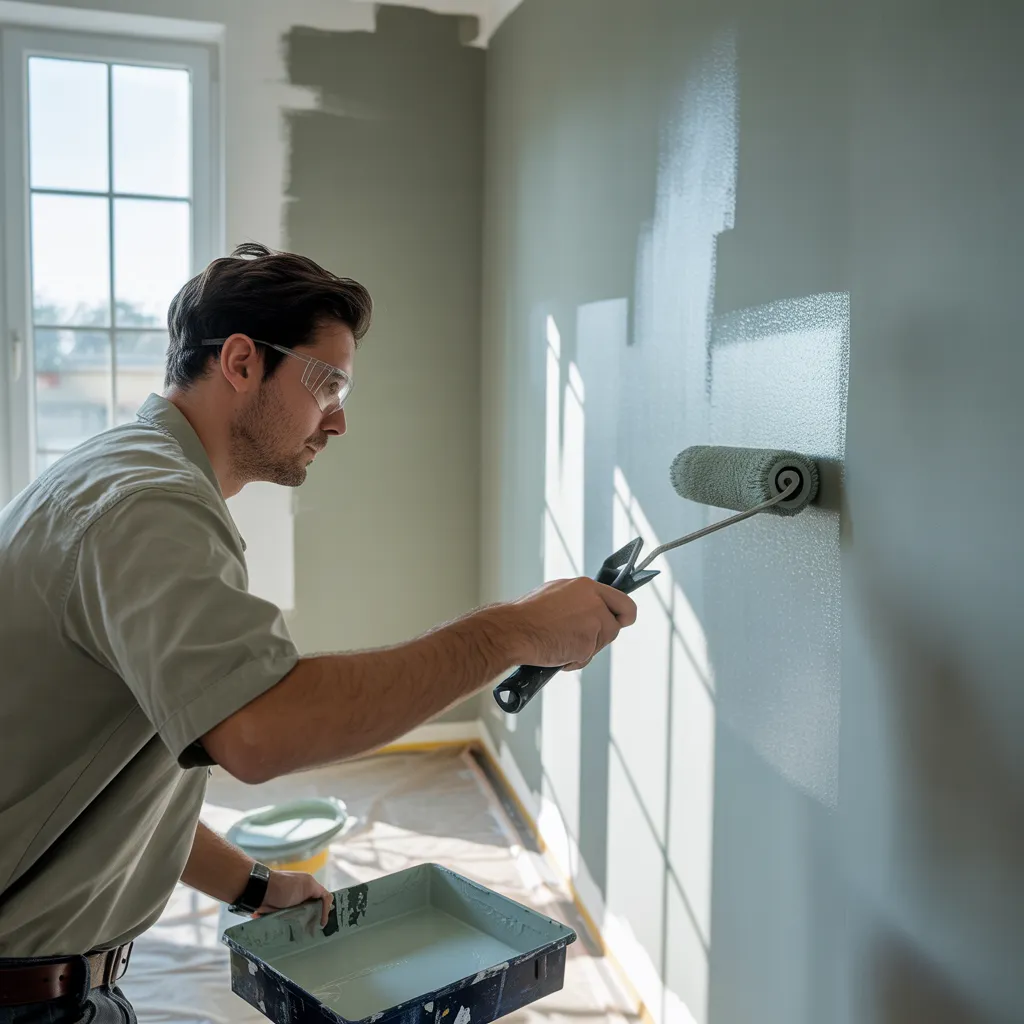
How to Evaluate a Painting Contractor's Experience
When evaluating a paint contractor's experience, how does one distinguish the genuinely skilled from the less experienced? Essential signs include the professional's years in business and their record of accomplished projects. A experienced professional generally has a varied body of work, showcasing various techniques and styles, which indicates versatility and expertise. Additionally, knowing the categories of work they specialize in—commercial, residential, or both—can offer a glimpse of their proficiency.
Another important aspect is the contractor's approach to regular professional development. A commitment to staying updated with evolving industry methods and standards signals a high level of professionalism. Obtaining certifications or joining reputable associations can help substantiate their qualifications. At its core, a complete evaluation involves not just the number of years operating, but also the quality and variety of work, guaranteeing the contractor is equipped to address unique project requirements.
What to Look for in References and Reviews
When reviewing references and reviews, it is important to look for consistency in the caliber of work provided by previous clients. Such consistency can indicate dependability and expertise. Moreover, analyzing the service provider's communication style via client feedback can reveal details about their availability and openness to communication.
Verify Consistency in Quality
Reviewing feedback and testimonials is crucial for identifying a paint contractor's consistency in quality. Prospective clients should pay attention to patterns in feedback rather than individual remarks. Seek out repeated subjects in testimonials—strong commendations regarding attention to detail, punctuality, and general quality of work suggest dependability. Moreover, take into account the volume of feedback; a painting specialist with a significant number of uniformly favorable reviews is typically more reliable than a contractor with limited reviews. Take note of any negative reviews, with special focus on those mentioning lack of proper communication or work left undone. Lastly, request references straight from the contractor and contact former clients to gain firsthand insights into their experiences. This detailed process ensures that the selected contractor will deliver a see here satisfactory result.
Evaluate Communication Style
How well does a paint contractor interact with clients? This element is vital when evaluating potential hires. Clients should seek references that highlight the contractor's promptness and transparency in conversations. Reviews may reveal whether the contractor readily handles questions and concerns, demonstrating a dedication to client needs. Also, assess the contractor's capacity to describe procedures and schedules clearly. A good communicator will guarantee that clients are well-informed throughout the project. Seek reviews that reference detailed and accurate cost projectionsand clarity concerning products and pricing. Ultimately, effective communication fosters trust and guarantees a smoother project experience, making it a critical element in hiring the best painting contractor.
Key Aspects to Discuss When Hiring a Contractor
What critical considerations should be made when choosing a painting contractor? Start by checking the contractor's credentials, including their licenses and insurance, to validate their legitimacy and provide protection from liabilities. Next, evaluate their experience and expertise by asking for references and reviewing past projects. Doing so allows you to measure the caliber of their work and their dependability.
It is also important to go over the variety of materials and techniques they intend to use, as this affects the quality and look of the final result. Furthermore, ask about the expected project schedule, as setting clear expectations helps avoid misunderstandings.
Clear communication is vital; verify the contractor is available and receptive to inquiries. Inquire about warranties or guarantees related to their work, as this provides assurance of quality. Finally, clarify the contract details, confirming all aspects of the project, including beginning and end dates, are documented. These discussions lay the groundwork for a successful painting project.
Setting a Realistic Budget for Your Project
Creating a reasonable budget for a painting project starts with defining the project scope, which details the exact areas designated for painting. After the scope has been defined, it is crucial to consider material costs, such as paint and supplies, together with the labor fees for the contractor's services. This detailed strategy assures that homeowners can manage their resources efficiently while preventing unforeseen financial strain.
Determine Project Scope First
Defining the scope of the project is vital for a well-executed painting undertaking. This foundational step involves precisely outlining the areas to be painted, the desired finish options, and any required preparation tasks. By establishing these specifics, homeowners can more fully appreciate the overall requirements of the project, leading to improved budgetary forecasts. A properly outlined scope helps prevent unexpected changes and supplementary fees during the course of the project. Moreover, it enables productive discussions with potential contractors, ensuring that each party understands on anticipated results. Taking the time to establish scope early on can considerably elevate the outcome, encouraging a more efficient process and a higher quality finished product. Emphasizing this step early establishes the basis for a thoroughly managed painting job.
Consider Material Costs
When calculating the full financial plan for a painting project, homeowners must carefully factor in material costs to maintain financial practicality. This covers the cost of paint, primers, paintbrushes, rolling applicators, and additional supplies such as protective drop cloths and masking tape. Homeowners should opt for superior materials, as these directly influence the quality and look of the completed project. Homeowners should investigate multiple brands and evaluate their pricing to strike a balance between quality and affordability. In addition, evaluating the overall square footage needing coverage will aid in determining the needed volume of materials, preventing unexpected expenses. Preparing for unexpected needs, such as extra paint for touch-ups, can also help create a more precise financial plan.
Factor In Labor Costs
Proper budget planning for a painting project requires careful consideration of labor costs, which can significantly impact the full project cost. Labor commonly represents a large part of the complete financial plan, so getting thorough cost breakdowns from service providers is essential. Painting specialists may price their services hourly or provide a flat rate based on the extent of the job. It is essential to ask regarding the number of workers involved and the projected timeline, as such considerations can affect labor costs. Furthermore, understanding the contractor's experience and qualifications can help justify their rates. By accounting for labor charges into the cost estimate, homeowners can eliminate surprise charges and ensure more efficient project management, culminating in a flawless finish.
What Questions Are Important to Ask Before Signing?
What key questions should homeowners consider before signing a contract with a paint contractor? To begin, they should ask about the contractor's experience and references. Reviewing their prior work can give a clear picture of the quality and reliability of the contractor. Homeowners should also inquire about the types of materials and paint brands chosen, as this affects the finish and longevity of the project. Furthermore, discussing the project timeline is vital; knowing when the work will start and its expected completion can make planning much easier. Homeowners should confirm the payment terms, including deposit requirements and final payment expectations. To conclude, it's important to ask about guarantees or warranties covering labor and materials. These inquiries ensure homeowners choose a contractor who meets their needs and expectations, setting the stage for a successful painting project.
How to Guarantee a Seamless Painting Experience With Your Contractor
Establishing clear communication is crucial for guaranteeing a seamless painting process with a professional contractor. Property owners should articulate their requirements regarding scheduling, color choices, and particular project requirements. Frequent communication can help address any developing problems and ensure the project stays on schedule.
Another key aspect is preparation. It is important for homeowners to verify the work area is accessible and unobstructed. This helps the contractor work without interruption and reduces the likelihood of delays.
Moreover, it is recommended to establish a written agreement that details the scope of work, billing schedule, and project deadline. This contract acts as a guiding document for all involved parties, limiting disputes.
Ultimately, maintaining a positive relationship fosters collaboration. Clients should express appreciation for the contractor's efforts, encouraging a conducive working environment. By adhering to these recommendations, homeowners can help ensure a smooth painting process, resulting in an impeccable outcome.
Frequently Asked Questions
What Is the Expected Duration of the Painting Project?
The length of a painting project usually extends from a few days to several weeks, based on factors including the size of the area, complexity of the work, and environmental conditions impacting the timeline.
Which Type of Paint Would You Suggest for My Project?
For best results, a high-quality, durable acrylic latex paint is recommended. This variety provides superior coverage, effortless application, and an enduring finish, making it ideal for both interior and exterior projects, resulting in a refined and professional aesthetic.
Do You Supply Warranties for Your Work?
Indeed, many reputable painting professionals include service warranties on their work. These warranties typically cover both materials and labor, making certain that homeowners are provided with superior service and coverage for potential issues that might develop after the work is completed.
How Do You Handle Unexpected Issues During the Project?
The contractor handles unanticipated problems by quickly assessing the situation, maintaining open communication with the client, and presenting resolutions. This proactive approach guarantees minimal disruption and maintains project timelines while achieving client approval during every stage.
Can I Take a Look at a Portfolio of Your Past Projects?
The contractor readily provided a portfolio highlighting diverse projects, demonstrating skilled workmanship and meticulous attention to detail. Each completed job illustrated their expertise, allowing potential clients to assess their approach and suitability for future painting projects.